
Transport, trade & logistics
The connections behind every industry.
Researched 24 October 2026 · Independent sector guide
Industry overview
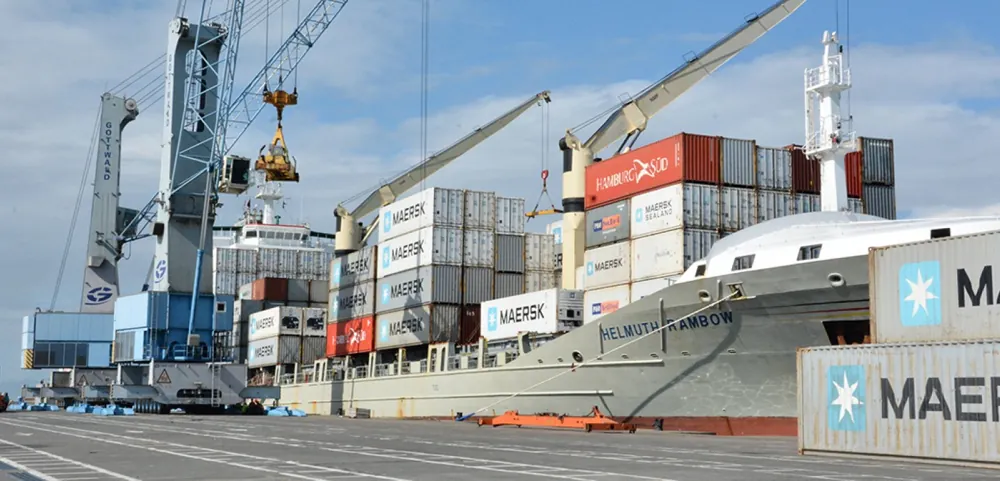
Shipping, ports, roads and aviation connect PNG’s producers, towns and international markets. The country’s geography makes logistics a core part of commercial competitiveness. Moving a product reliably from its place of origin to its customer often determines whether a business can grow.
Services & value chains
Port handling, coastal shipping, inland transport, warehousing, customs support and air freight serve different cargo needs. Food and fisheries may need cold storage; export crops need suitable handling and dependable schedules. Freight should be assessed as an end-to-end system rather than only the ocean shipping leg.
People & places
Lae and Motukea are major gateways. PNG Ports also identifies regional facilities including Kimbe, Madang, Alotau, Rabaul, Kavieng and Wewak. These links connect provincial activity to the wider economy, while local roads and feeder services remain crucial to producers away from the main gateways.
Opportunities & challenges
Better coordination, warehousing, cold chains and transparent shipment information can reduce uncertainty. Weather, road conditions, port interfaces, equipment availability and service frequency all affect delivery. Businesses need realistic transit plans and enough working capital to handle delays.
Current perspective
ICTSI’s Lae terminal profile and PNG Ports’ network information explain the infrastructure serving trade. The Commonwealth describes the phased Lae Industrial Park development. Proposed industrial space and logistics expansion should be distinguished from facilities already operating.

Sources & further reading
PNG Direct editorial synthesis. Sources include industry authorities, development organisations and company material as labelled. Historical examples and future opportunities are distinguished from current operating activity.